Melanoma is a type of skin cancer that starts in the melanocytes (the cells that give the skin its color). Melanoma is treatable if it’s caught early; however, if a person does not get treatment for melanoma, they can suffer serious complications and may allow the cancer to spread to other areas of their body. You need to understand the consequences of not getting early treatment for melanoma and to receive timely medical care to protect your health. In this post, we will talk about what happens if a person does not get treatment for melanoma and how this can affect their quality of life.
Risks of Not Treating Melanoma Early
- Spreading to Other Organs: When melanoma spreads (metastasizes) to other parts of the body, it can affect various areas. These areas include the liver, lungs, brain, and many others.
- Increased Difficulty in Treatment: Once melanoma metastasizes, it is much more challenging to treat than when diagnosed early. Treatment for metastatic melanoma includes chemotherapy, immunotherapy, and more complex surgical treatments in Springfield.
- Pain and Discomfort: With the gradual spreading of melanoma, pain, swelling, and discomfort may become constant companions of the patients. This can drastically lower a person’s living standard.
- Lymph Node Involvement: If melanoma spreads to the lymph nodes, significant swelling may occur, complicating treatment.
Why You Should Get Early Detection and Surgical Treatment
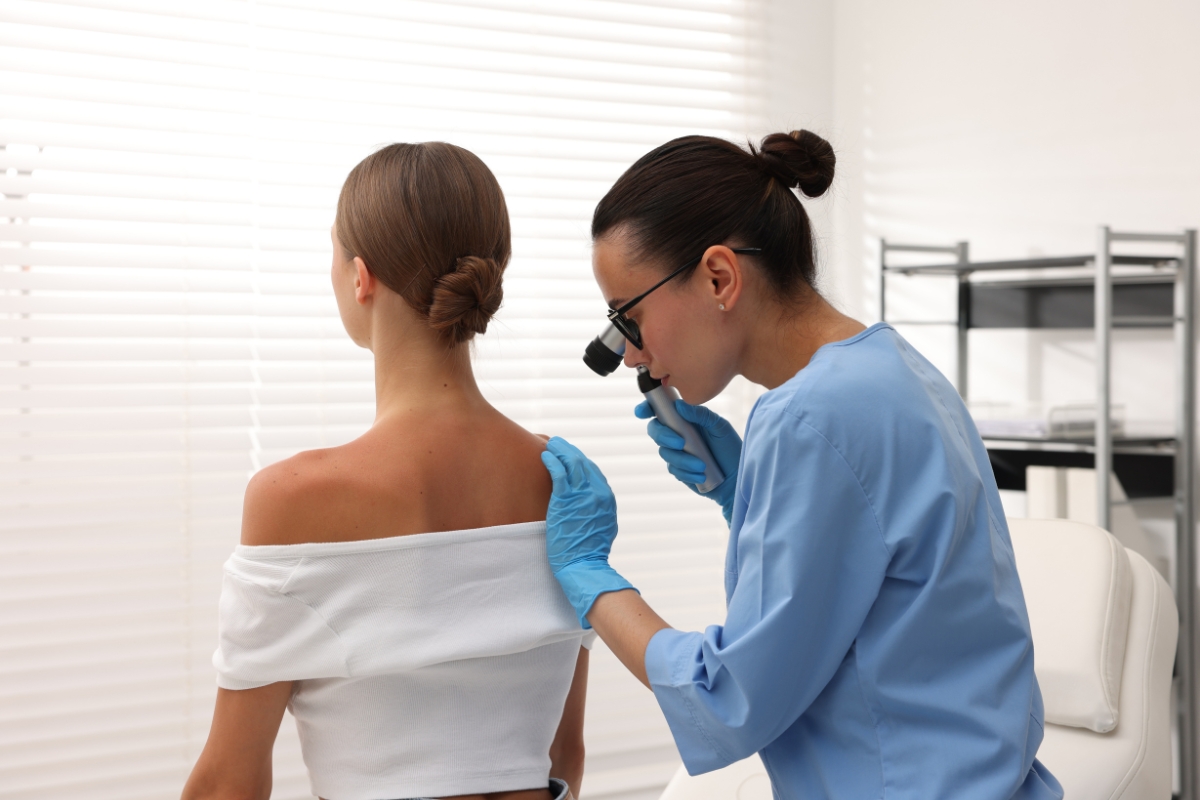
Early detection is critical for treating melanoma. If caught early, many times melanoma can be treated with surgery. Surgical treatments in Springfield for melanoma usually include removing the cancerous tissue and continued follow-up care to ensure the cancer does not spread.
Here’s why surgical treatments are so important:
- Surgical Removal of the Tumor: Surgical removal of the melanoma is the best treatment option. If caught in its early stages, surgical removal of the melanoma can be enough to eradicate the disease.
- Reduced Risk of Metastasis (Spread): Patients who undergo surgery to remove the melanoma before it spreads to other parts of the body significantly reduce the risk of metastasis (spread).
- Increase Chance of Survival: Early surgical treatments in Springfield provide melanoma patients with a much higher likelihood of survival. The sooner an intervention is done, the greater the chances of complete recovery.
Regular dermatologic examinations and self-examination are essential for identifying melanoma at an early stage and increasing the chances of effective treatment for melanoma patients.
What Happens if Melanoma Spreads?
Untreated, melanoma can spread, leading to several complications that are much more complicated and aggressive when referred to as metastasis. Complications that occur with metastasis include:
- Organ Damage: When melanoma metastasizes to a vital organ (brain, liver, etc.), serious complications can occur (neurological complications, difficulty in breathing, impaired organ function).
- Decreased Quality of Life: As melanoma spreads, it may lead to pain, fatigue, and a decline in overall health, thus making it more difficult to have an active and fulfilling lifestyle.
- Need for Extensive Treatment: If melanoma is diagnosed at an advanced stage, treatment may consist of chemotherapy, immunotherapy, and radiation therapy. Each treatment modality has associated side effects and lower success rates.
Conclusion: Your Skin Health is Worth Protecting
It is necessary to react quickly and appropriately if you identify any skin abnormality, such as the sudden appearance of new moles or a change in the color, size, or shape of existing moles. Dermatology and Mohs is the place where you can find help for your concerns related to skin cancer and, more specifically, for the detection and surgical treatments of melanoma. Our skilled team is ready to care for you at every stage of your disease and provide the best possible treatment.
Book an appointment with us, and together we will find time to have your skin checked and hence move forward healthily.
FAQs
What are the early signs of melanoma?
The very early signs of melanoma are basically the changes in one’s moles, such as the new shape, colors, size, or an entirely new and different mole arising on the skin.
Can melanoma be treated without surgery?
Usually, surgery can treat melanoma in its early stages. However, some advanced cases may need supplementary therapies such as immunotherapy or chemotherapy.
How does melanoma spread in the body?
Melanoma spreads through the lymphatic system, the route by which it can spread to organs such as the lungs, liver, and brain.
Is there a risk of melanoma recurring after surgery?
Even though surgery eliminates the tumor, there remains a slight possibility for melanoma to come back; thus, regular checking is very important.
Can lifestyle changes help prevent melanoma?
It is beneficial to the body if a person refrains from unnecessary sun exposure and always applies sunscreen. These actions, among others, would help reduce the risk of developing melanoma.
How long does it take for melanoma to spread?
The duration for melanoma to metastasize is not fixed. It may spread quickly in some cases without medical intervention.
What should I do if I have a family history of melanoma?
The signs of melanoma come first and foremost as a warning for the observer. Hence, if one has a family history of melanoma, regular skin checks and vigilance for skin changes are essential to detect it early.