
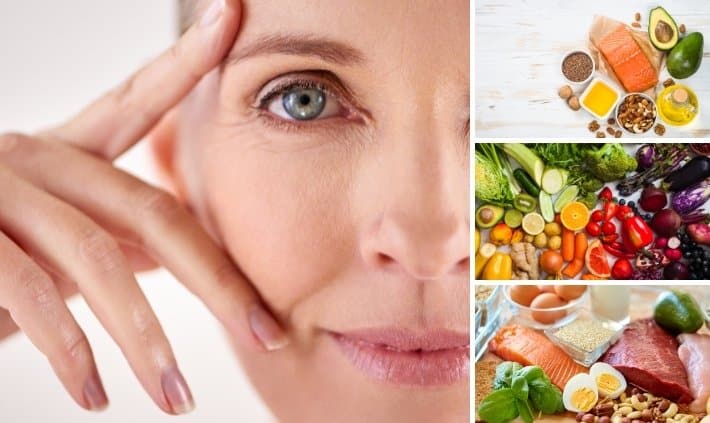
As we age, our bodies undergo various changes that can affect our appearance and overall well-being. While genetics play a part in aging, what you eat can make a significant difference. A healthy diet not only helps maintain a youthful appearance but can also slow down the aging process. Many people turn to cosmetic dermatology to help with skin concerns, but focusing on nutrition can enhance and even support these treatments. Incorporating the right foods into your daily routine is essential for keeping your body feeling energized, vibrant, and youthful. In this blog, we will share some valuable anti-aging nutrition tips.
Why Diet Matters in Anti-Aging?
Your body’s aging process is influenced by the nutrients you consume daily. A nutrient-rich diet can reduce inflammation, improve skin health, and boost your immune system. It also contributes to maintaining muscle mass, bone density, and cognitive function—all essential aspects of aging gracefully. A balanced diet can:
- Reduce wrinkles and fine lines.
- Boost energy and vitality.
- Support a healthy metabolism.
Incorporating anti-aging nutrition tips into your life can slow the aging process and improve how you feel daily. By focusing on a well-rounded, nutrient-dense diet, you can help support your skin and overall health from the inside out, complementing any external treatments such as cosmetic dermatology in Branson.
Top Anti-Aging Nutrition Tips
Here are some specific dietary recommendations to help you maintain a youthful glow:
1. Eat More Antioxidant-Rich Foods
Antioxidants protect the body from free radicals, which can damage cells and lead to premature aging. Foods rich in antioxidants help fight oxidative stress, a key contributor to aging. People can benefit from adding more of the following to their meals:
- Berries (blueberries, strawberries, raspberries)
- Dark leafy greens (spinach, kale)
- Nuts and seeds (almonds, walnuts, chia seeds)
- Green tea
These foods contain vitamins, minerals, and phytochemicals that promote skin elasticity and overall health.
2. Prioritize Omega-3 Fatty Acids
Omega-3 fatty acids are crucial for maintaining healthy skin and reducing inflammation. They can also support brain health as you age. Consider including the following omega-3-rich foods in your diet:
- Fatty fish (salmon, mackerel, sardines)
- Flaxseeds
- Walnuts
- Chia seeds
These foods keep your skin hydrated, smooth, and supple while supporting heart and brain function.
3. Hydrate, Hydrate, Hydrate
Water is vital for maintaining healthy skin and flushing out toxins from the body. Dehydration can cause the skin to look dry and dull, leading to the appearance of fine lines and wrinkles. Aim to drink plenty of water daily.
Other hydrating foods to include are:
- Cucumbers
- Watermelon
- Oranges
- Celery
These will provide your body with essential hydration while delivering extra vitamins and minerals.
4. Avoid Excess Sugar and Processed Foods
While sugar might satisfy a sweet tooth, it can wreak havoc on your skin. Excess sugar leads to glycation, a process where sugar molecules attach to proteins and break down collagen and elastin, which are responsible for keeping skin firm and smooth. Processed foods can also cause inflammation, which accelerates aging.
Try to limit your intake of sugary snacks and processed foods. Instead, opt for whole, unprocessed meals filled with fresh vegetables, fruits, and lean proteins.
5. Get Enough Protein
Protein is essential for maintaining muscle mass, skin elasticity, and overall body repair. We naturally lose muscle as we age, but consuming adequate protein can help slow this process. Include lean protein sources such as:
- Chicken or turkey
- Beans and legumes
- Tofu and tempeh
- Eggs
These foods provide the amino acids to keep your muscles and skin firm and strong.
6. Focus on Whole Grains
Whole grains are high in fiber and nutrients that support digestion and overall health. A healthy digestive system is key for feeling your best and supporting clear, glowing skin. Swap out refined grains for whole grains like:
- Brown rice
- Quinoa
- Oats
- Whole wheat bread
These grains provide lasting energy, promote digestion, and help control blood sugar levels.
The Role of Supplements in Anti-Aging Nutrition
In addition to a balanced diet, supplements can help fill nutritional gaps. Some beneficial supplements include:
- Collagen peptides to support skin elasticity.
- Vitamin C boosts collagen production.
- Vitamin E protects against oxidative stress.
Before adding supplements, consult a healthcare provider to ensure they are right for your needs.
Anti-Aging Nutrition Tips
Eating the right foods can help you maintain a youthful appearance and healthy body as you age. By including more antioxidant-rich foods, omega-3 fatty acids, hydration, and protein in your diet, you can slow down the aging process and feel your best. Remember, it’s not just about what you eat—it’s also about living a balanced lifestyle. Combine these anti-aging nutrition tips with regular physical activity, adequate sleep, and stress management to maintain a youthful glow well into your golden years.