
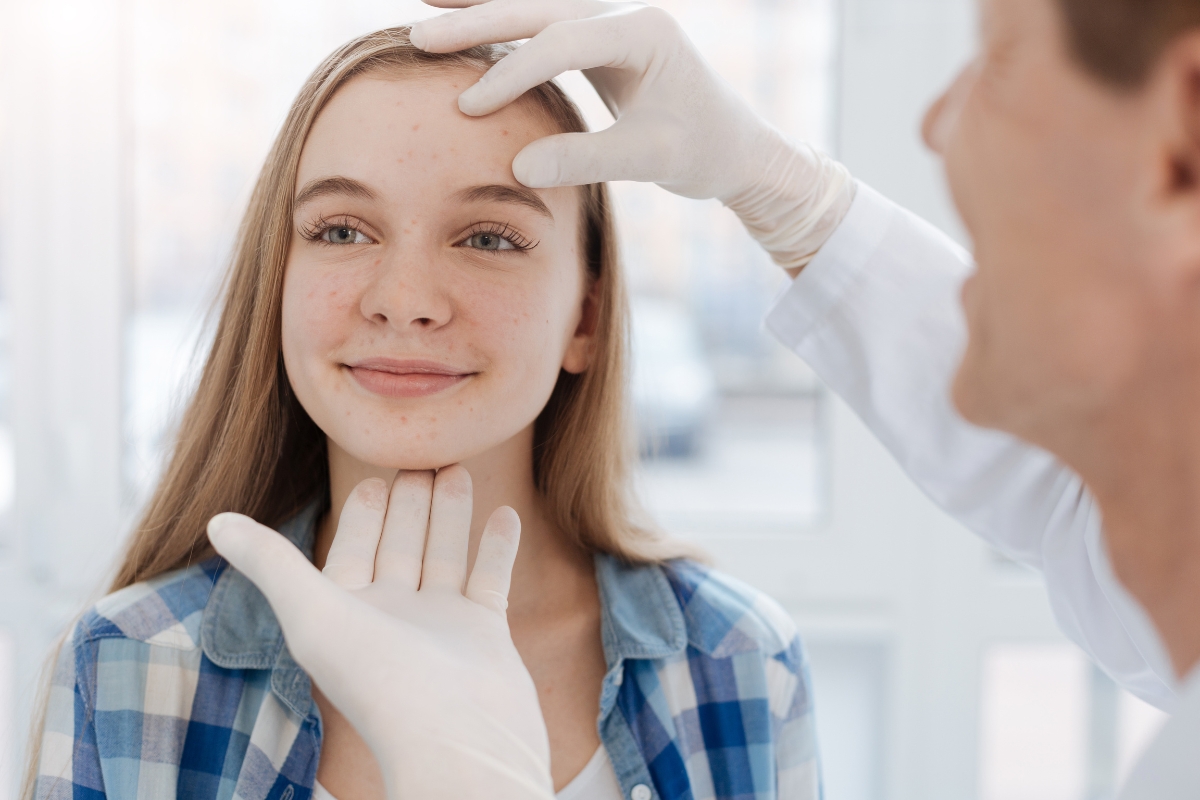
As we get older, our skin naturally starts to show signs like wrinkles, fine lines, dryness, and it loses its bounce. While genetics plays a significant role in these changes, did you know that your diet can affect how quickly your skin ages? For sure, the food you munch on can totally affect how your skin looks and feels. In this blog, we’re diving into how some foods and nutrients can either help keep your skin looking young or speed up the wrinkle game.
Aging is just part of life, but we can definitely do things to keep our skin looking young and healthy. If you’ve noticed your skin looking dull or you’re trying to slow aging, what you eat could be super important. Eating the right stuff gives you the vitamins, antioxidants, and good fats that help keep your skin looking great. On the flip side, poor eating habits, like eating too much sugar or processed foods, can mess up how your skin looks. With Springfield’s changing weather, sticking to a good diet plan and taking care of your skin can really help it adjust to these changes.
How Diet Affects Skin Aging
Your diet is more than just a way to nourish your body. It’s directly linked to how your skin behaves. Skin is the body’s largest organ and is highly influenced by the nutrients you consume. For example, the good nutrients in fruits and veggies can fight free radicals. These free radicals are the troublemakers that break down collagen and elastin, which are the proteins that help keep your skin looking tight.
As we get older, collagen and elastin are crucial for keeping our skin firm and smooth. Collagen maintains your skin’s structure, and elastin helps it return to its original shape. Sadly, our bodies produce less collagen as we age, which leads to wrinkles and saggy skin. To fight this, it’s key to incorporate foods that help boost collagen. A dermatologist in Springfield can advise on how your diet, combined with local skincare treatments, can help you preserve your skin’s firmness and elasticity.
Key Nutrients for Healthy Skin
1. Vitamin C: Essential for Collagen Production
Vitamin C, as a powerful antioxidant, is known for its role in collagen production, which is its most vital function. The vitamin is responsible for protecting the skin from free radicals and environmental stressors, such as UV rays and pollution. So, in a place like Springfield, where weather conditions can cause dry winter skin and sunburn in summer, fruits like citrus, berries, leafy greens, and bell peppers become natural skin saviors.
2. Healthy Fats: Omega-3 Fatty Acids
Omega-3 fatty acids play an important role in the structure of skin cells. They help keep your skin moisturized, so fine lines and wrinkles will be almost invisible. Fatty fish such as salmon, walnuts, and flaxseeds are perfect providers of omega-3s, which can do wonders for you in the cold season when your skin needs extra moisturizing. In case you have any medical issues, you should consult with an experienced dermatologist in Springfield who can tell you what to eat and what to avoid.
3. Polyphenols: Fight Inflammation and Wrinkles
The polyphenols that exist in green tea, berries, and dark chocolate have the power to soothe the inflamed areas of the skin; thus, aging of the skin will not be accelerated. These antioxidants shield the body against oxidative stress, which leads to rapid collagen degradation. Constant intake of polyphenol-enriched food can help you maintain a natural skin glow and youthfulness, which is very important for those facing environmental factors such as temperature variations in Springfield.
4. Water: Hydration is Key
Water, though not from a nutritional standpoint, still plays a major role in skin hydration. Dehydration is the cause of dull skin that is dry to the touch and in which fine lines and wrinkles are more visible. Following a hydration diet all through the day will be the trick to keeping your skin looking fresh and moisturized, which is particularly vital for Springfield’s dry winter weather.
5. Protein: Building Blocks of Collagen
Proteins are lifelines that fix and generate new skin cells. Collagen is the protein that makes the skin elastic, and when one eats meat that is low in fat, tofu, and legumes, they are supplying the body not only with the necessary elements for collagen production but also a way to fight aging symptoms.
The Impact of Sugar and Processed Foods on Skin Aging
High sugar or refined carbs (such as pastries, soda, and chips) can accelerate skin aging through the process of glycation. Excess sugar binds to collagen and elastin, resulting in reduced flexibility and brittleness. This results in the appearance of wrinkled and sagging skin. Eating processed foods, which are typically high in trans fats and preservative chemicals, will also create inflammation inside the skin, resulting in the death of skin cells and the increased rate of skin aging. Because of this, it is essential to minimize the consumption of processed foods and eat sufficient amounts of nutrient-rich foods selections.
How to Maintain Good Skin Health with a Balanced Diet
Eating a balanced diet and getting a variety of nutrient-rich foods for skin health and looking its best. You can help maintain skin health and a young-looking appearance by eating fruits and vegetables, lean protein sources, and healthy fats. You should limit your intake of processed foods, sugar, and alcohol if you want to slow down the process of aging skin.
If you have started to see signs of early skin aging or are interested in preventing additional damage to your skin, adding more skin-friendly foods to your diet can help to keep your skin healthy and youthful.
Taking Care of Your Skin with Professional Help
Though a balanced diet certainly supports good skin, there are times when a visit to a professional dermatologist in Springfield is required for more serious issues. They can assist you in removing wrinkles, sun damage, or signs of aging through treatments tailored to your skin type.
We at Dermatology and Mohs are committed to providing you with the best possible care for your skin problems. Our professional team is here to give you the support and guidance needed to have and keep healthy skin that glows with or without make-up and at any age.
Don’t wait—take control of your skin’s health today!
FAQs
Best Foods for Skin Health
Foods rich in antioxidants, vitamin C, omega-3 fatty acids, and protein, such as citrus fruits, leafy greens, salmon, and nuts, are great for skin.
Does Sugar Affect My Skin?
Yes, excess sugar can damage collagen and elastin, leading to wrinkles and sagging skin.
Can Diet Reverse Aging?
Diet can prevent further aging and improve skin texture, but treatments may be needed to reverse existing signs.
How Much Water for Healthy Skin?
Drink at least 8 cups of water daily to keep skin hydrated.
Best Anti-Aging Diet?
A balanced diet with fruits, vegetables, lean proteins, healthy fats, and plenty of water helps protect your skin.
Can Omega-3s Improve Skin Health?
Yes, omega-3s maintain hydration, reduce inflammation, and protect against aging.
How to Prevent Wrinkles?
A healthy diet, hydration, sun protection, and a good skincare routine help prevent wrinkles.