
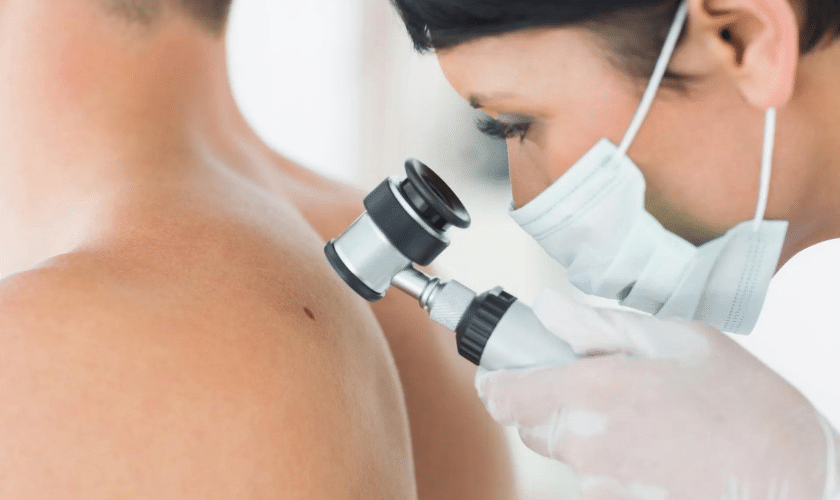
Basal cell carcinoma (BCC) is the most common type of skin cancer, often occurring in sun-exposed areas of the body. While surgical removal is typically effective in treating BCC, proper post-operative care is crucial for optimal healing and minimizing complications.
In this article, we’ll delve into essential tips for post-surgical care after basal cell carcinoma removal, helping you navigate through the recovery process smoothly.
Understanding Basal Cell Carcinoma Surgery
Before diving into post-surgical care tips, it’s essential to understand what basal cell carcinoma surgery entails. Basal cell carcinoma removal typically involves excision of the cancerous tissue, ensuring complete eradication of cancer cells while preserving as much healthy tissue as possible.
Depending on the size, location, and severity of the BCC, surgical techniques may vary, ranging from simple excision to Mohs micrographic surgery, which involves the precise removal of layers of skin until no cancer cells remain.
Post-Surgical Care Tips for Optimal Healing
1. Keep the Wound Clean and Dry
After basal cell carcinoma surgery, it’s crucial to keep the surgical site clean and dry to prevent infection. Clean the wound as instructed by your healthcare provider, using a gentle cleanser and water.
Avoid soaking the wound in water, such as swimming or taking long baths, until your healthcare provider gives the green light. Pat the area dry gently with a clean towel or allow it to air dry.
2. Follow Wound Care Instructions
Your healthcare provider will provide specific wound care instructions tailored to your situation. Follow these instructions diligently to promote optimal healing and reduce the risk of complications.
This may include applying prescribed ointments or dressings to the surgical site, changing dressings regularly, and avoiding activities that could irritate or disrupt the wound.
3. Protect the Surgical Site from Sun Exposure
Sun exposure can delay healing and increase the risk of scarring and complications after basal cell carcinoma surgery. Protect the surgical site from direct sunlight by covering it with clothing or a bandage.
Additionally, use a broad-spectrum sunscreen with a high SPF on exposed areas of the skin, reapplying it as directed by your healthcare provider.
4. Monitor for Signs of Infection
Keep a close eye on the surgical site for any signs of infection, such as increased redness, swelling, warmth, or drainage. If you notice any concerning symptoms, contact your healthcare provider promptly.
Early detection and treatment of infections are crucial for preventing complications and promoting successful healing.
5. Avoid Smoking and Tobacco Products
Smoking and tobacco use can impair wound healing and increase the risk of complications after surgery. If you smoke, consider quitting or at least avoiding smoking during the recovery period.
Avoid exposure to secondhand smoke as well, as it can also interfere with the healing process.
6. Eat a Healthy Diet
Proper nutrition is essential for promoting healing and supporting your body’s recovery after basal cell carcinoma surgery. Eat a well-balanced diet rich in fruits, vegetables, lean proteins, and whole grains.
Stay hydrated by drinking plenty of water throughout the day, which helps facilitate the healing process and flush out toxins from your body.
7. Follow Up with Your Healthcare Provider
Attend all scheduled follow-up appointments with your healthcare provider to monitor your progress and address any concerns or complications promptly.
Your healthcare provider may perform regular wound checks, remove stitches or sutures as needed, and provide additional recommendations for post-operative care.
Conclusion
Optimal healing after basal cell carcinoma surgery requires diligent post-operative care and attention to detail. By following these tips and guidelines, you can promote successful healing, minimize complications, and achieve the best possible outcome.
Remember to consult with your healthcare provider for personalized advice and recommendations tailored to your specific needs. With proper care and patience, you can embark on a smooth recovery journey in your surgical dermatology experience.