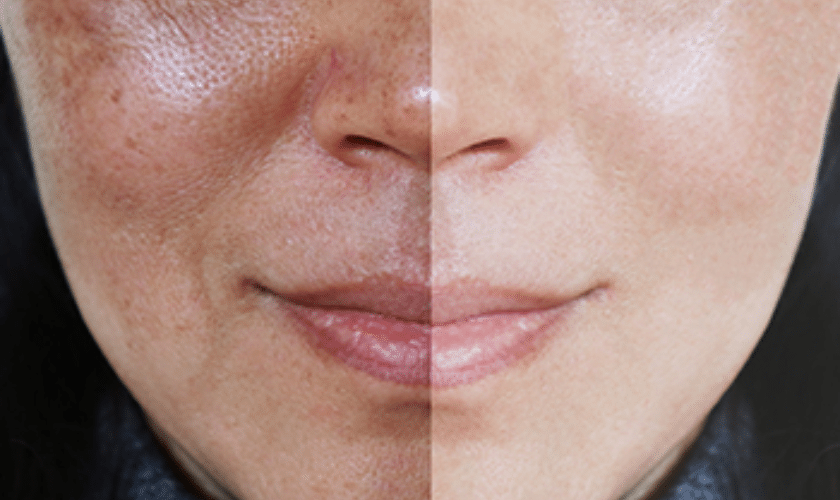
Summertime beckons with its promises of beach days, outdoor adventures, and sun-kissed skin. While the sun can boost our spirits and provide essential Vitamin D, it can also leave lasting damage on our skin. Sun damage, characterized by dark spots, fine lines, wrinkles, and even an increased risk of skin cancer, is a common concern. The good news is, it’s never too late to start repairing the harm and reclaiming your skin’s youthful radiance. In this comprehensive guide, we’ll explore the causes of sun-damaged skin, prevention strategies, and effective treatments to reverse its effects.
Understanding Sun Damage
The sun emits ultraviolet (UV) rays that penetrate the skin, causing immediate and long-term damage. There are two types of UV rays: UVA and UVB. UVA rays are known for causing premature aging, such as wrinkles and age spots, while UVB rays are primarily responsible for sunburn. Both types can contribute to the development of skin cancer.
Sun damage manifests in various ways, including:
Sunburn: The most immediate form of sun damage, characterized by red, painful skin.
Hyperpigmentation: Dark spots or patches that result from an overproduction of melanin.
Photoaging: Premature aging of the skin, including wrinkles and fine lines.
Loss of Elasticity: The breakdown of collagen and elastin, leading to sagging skin.
Dryness and Rough Texture: UV exposure can strip the skin of its natural oils, resulting in dryness and rough patches.
Preventing Sun Damage
Prevention is the first line of defense against sun damage. Here are some effective strategies:
- Sunscreen: Apply a broad-spectrum sunscreen with an SPF of 30 or higher every day, even on cloudy days. Reapply every two hours and after swimming or sweating.
- Protective Clothing: Wear hats, sunglasses, and long-sleeved shirts to shield your skin from the sun.
- Seek Shade: Avoid the sun during peak hours (10 a.m. to 4 p.m.) when UV rays are strongest.
- Avoid Tanning Beds: These can cause as much damage as the sun, increasing the risk of skin cancer and premature aging.
- Regular Skin Checks: Visit a dermatologist annually for a professional skin exam to detect any early signs of damage or skin cancer.
Treating Sun-Damaged Skin
If your skin has already suffered from sun damage, don’t despair. There are numerous treatments available to help repair and rejuvenate your skin. Here are some of the most effective methods:
Topical Treatments
- Retinoids: These Vitamin A derivatives are known for their ability to reduce fine lines, wrinkles, and hyperpigmentation by promoting cell turnover.
- Antioxidants: Products containing Vitamin C, E, and other antioxidants can neutralize free radicals, reducing further damage and brightening the skin.
- Moisturizers: Look for those with hyaluronic acid, glycerin, and ceramides to hydrate and repair the skin barrier.
- Exfoliants: Alpha Hydroxy Acids (AHAs) and Beta Hydroxy Acids (BHAs) can help remove dead skin cells, revealing smoother, more even-toned skin beneath.
In-Office Treatments
- Chemical Peels: These treatments use a chemical solution to exfoliate the skin, reducing the appearance of fine lines, age spots, and uneven texture.
- Microdermabrasion: A minimally invasive procedure that exfoliates the skin to improve its tone and texture.
- Laser Therapy: Different types of laser treatments can target specific skin issues, such as pigmentation and collagen production.
- Intense Pulsed Light (IPL): This treatment uses light energy to reduce redness, pigmentation, and sun spots.
Home Remedies
- Aloe Vera: Known for its soothing properties, aloe vera can help heal sunburn and hydrate the skin.
- Green Tea Extract: Rich in antioxidants, it can help reduce inflammation and protect against further damage.
- Honey: Its antibacterial and moisturizing properties make it a great natural remedy for repairing sun-damaged skin.
Lifestyle Changes for Healthier Skin
In addition to treatments, certain lifestyle changes can support skin health and prevent further damage:
- Hydration: Drink plenty of water to keep your skin hydrated from within.
- Healthy Diet: Eat a diet rich in fruits, vegetables, and healthy fats to provide your skin with essential nutrients.
- Avoid Smoking: Smoking accelerates skin aging and worsens sun damage.
- Regular Exercise: Physical activity increases blood flow, helping nourish skin cells and keep them healthy.
- Adequate Sleep: Ensure you get enough sleep to allow your skin time to repair and rejuvenate.
Repairing sun-damaged skin requires a combination of preventive measures, effective treatments, and healthy lifestyle choices. By integrating these strategies, you can restore your skin’s health and radiance. Remember, the journey to healthier skin is ongoing, and consistent care is key to maintaining your results. For personalized advice and advanced treatments, consider consulting a professional at Dermatology Springfield, where experts can guide you in achieving the best possible outcomes for your skin.
Your skin is your body’s largest organ, and it deserves the best care you can give it. Start your journey towards healing today, and embrace the radiant, healthy skin you deserve.