Skin cancer is the most common form of cancer in the United States, affecting millions of people each year. Early detection plays a crucial role in the successful treatment of skin cancer. The good news is that skin cancer, unlike many other cancers, is often visible on the skin’s surface, making it easier to detect in its early stages. However, knowing what to look for and how to regularly check your skin is essential in catching it before it progresses.
This blog will guide you through the signs and symptoms of skin cancer, how to perform self-examinations, when to see a dermatologist, and preventive steps you can take to protect your skin. By staying informed, you can take proactive steps to safeguard your health.
Understanding Skin Cancer
Skin cancer occurs when there is an abnormal growth of skin cells, often due to damage from ultraviolet (UV) radiation. There are three main types of skin cancer:
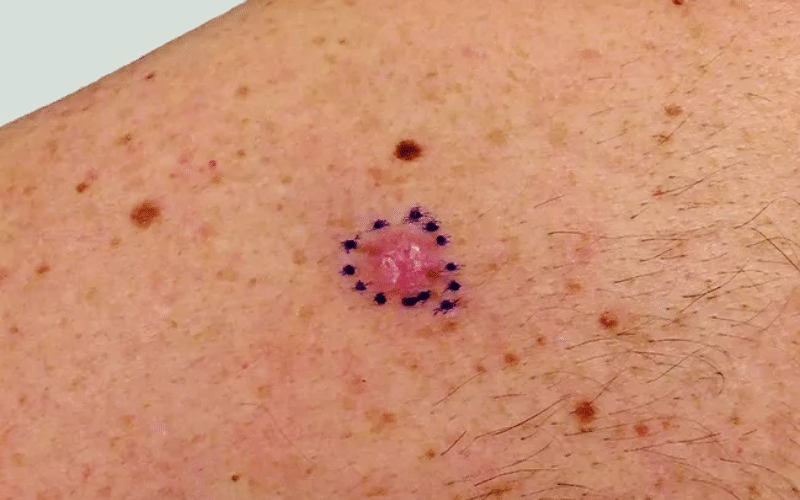
- Basal Cell Carcinoma (BCC): The most common and least aggressive type. It often appears as a pearly bump or flat, flesh-colored lesion on sun-exposed areas such as the face, neck, or arms.
- Squamous Cell Carcinoma (SCC): The second most common type. It can look like a firm, red nodule or a flat lesion with a scaly, crusted surface. SCC typically develops on sun-exposed areas.
- Melanoma: The most dangerous form of skin cancer, responsible for the majority of skin cancer deaths. Melanoma can develop in an existing mole or suddenly appear as a new dark spot on the skin. It often looks like an irregular, multicolored lesion.
The ABCDEs of Skin Cancer Detection
Melanoma is the deadliest type of skin cancer, but it is also the easiest to identify using the ABCDE rule:
A for Asymmetry: One half of the mole or spot doesn’t match the other half.
B for Border: The edges are irregular, ragged, or blurred.
C for Color: The color is not uniform and may include shades of brown, black, or other colors.
D for Diameter: The spot is larger than 6 millimeters (about the size of a pencil eraser), though melanomas can be smaller.
E for Evolving: The mole or spot is changing in size, shape, or color, or is showing new symptoms such as bleeding or itching.
If you notice any of these signs, schedule an appointment with a dermatologist as soon as possible.
Regular Self-Examinations
Performing regular self-examinations is key to early detection. Follow these steps for a thorough skin check:
- Use a Mirror: Stand in front of a full-length mirror in a well-lit room. Use a handheld mirror for hard-to-see areas like your back.
- Check Your Entire Body: Don’t forget to examine your scalp, ears, neck, back, buttocks, and the soles of your feet. Skin cancer can develop in places not exposed to the sun.
- Look for Changes: Take note of any new moles, growths, or changes to existing moles. Pay attention to spots that itch, bleed, or don’t heal.
Performing a self-exam once a month will help you catch any changes early.
When to See a Dermatologist
While self-examinations are important, seeing a dermatologist regularly is also crucial. Schedule an annual skin check with your dermatologist, especially if you have:
A family history of skin cancer
A history of sunburns or excessive UV exposure
Fair skin, light eyes, or blonde or red hair
A large number of moles or atypical moles
Your dermatologist can perform a more detailed examination and use tools like dermoscopy to view spots more closely. If they suspect a spot might be cancerous, they may perform a biopsy to confirm.
Prevention Tips
While it’s important to know how to detect skin cancer early, prevention is equally important. Here are some tips to reduce your risk:
- Wear Sunscreen: Use a broad-spectrum sunscreen with an SPF of 30 or higher every day, even on cloudy days. Reapply every two hours when outdoors.
- Seek Shade: Avoid the sun between 10 AM and 4 PM, when UV rays are strongest. If you must be outdoors, seek shade or wear protective clothing.
- Wear Protective Clothing: Long-sleeved shirts, wide-brimmed hats, and UV-blocking sunglasses can protect your skin from harmful rays.
- Avoid Tanning Beds: Tanning beds emit UV radiation, which increases your risk of developing skin cancer. Embrace your natural skin tone instead.
- Be Cautious of Reflective Surfaces: Water, sand, and snow can reflect and intensify UV rays, increasing your exposure.
The Importance of Early Detection
Detecting skin cancer early significantly improves the chances of successful treatment. In the early stages, skin cancer is often more treatable and less likely to spread. For instance, early-stage melanoma has a survival rate of about 99%, compared to only 25% when detected in later stages. By performing regular self-examinations and visiting your dermatologist, you can catch skin cancer in its early stages when it’s easiest to treat.
Skin cancer is a serious health concern, but with the right knowledge and proactive steps, you can protect yourself. Regularly check your skin for changes, follow the ABCDE rule for spotting potential melanomas, and see a dermatologist for annual check-ups. In addition, make sun protection a part of your daily routine to reduce your risk. Remember, early detection can save lives, so stay vigilant and prioritize your skin health.
FAQs
- What are the first signs of skin cancer?
The first signs often include new growths, sores that don’t heal, or changes in existing moles, particularly if they follow the ABCDE criteria. - How often should I perform a self-exam for skin cancer?
It’s recommended to perform a self-exam once a month to catch any changes early. - Can skin cancer develop in areas not exposed to the sun?
Yes, skin cancer can develop in areas not typically exposed to the sun, including the soles of the feet, under fingernails, and even inside the mouth. - Are all skin cancers life-threatening?
Not all skin cancers are life-threatening. Basal cell carcinoma and squamous cell carcinoma are usually less aggressive, but melanoma is highly dangerous if not caught early. - How can I protect myself from skin cancer?
Use sunscreen daily, wear protective clothing, avoid tanning beds, and seek shade during peak sun hours. - When should I see a dermatologist for a skin check?
You should see a dermatologist annually or sooner if you notice any suspicious changes in your skin. - Is skin cancer preventable?
While not entirely preventable, you can significantly reduce your risk by practicing sun safety and avoiding UV exposure.