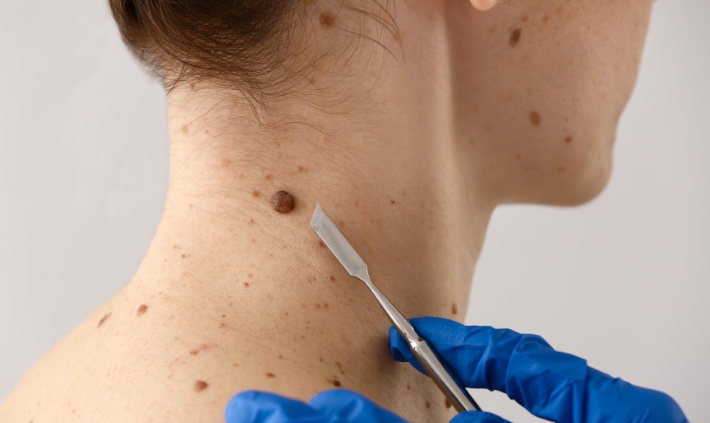
Moles are those tiny spots that can suddenly pop up on your skin. They can sometimes perfectly blend in with your skin, while some can be clearly visible. Surgical dermatology can remove moles from your skin, whether it’s just a cosmetic concern or something more serious. You can discuss your options with a dermatologist.
Read this blog to learn how this particular branch of dermatology can help you keep your skin flawless.
Should You Consider Removing Moles?
Moles can be completely harmless or indicate a more serious underlying skin condition. Again, you might want to remove them as they impact your looks or self-esteem. In case your moles keep changing in color, shape, or size, it can indicate skin cancer.
In situations like this, a quick removal procedure can prevent the disease from spreading to the rest of your skin.
Role of Surgical Dermatology in Removing Moles
Surgical dermatology in Branson can efficiently remove moles, especially those that are deep-rooted, suspicious, or large. Surgical procedures will cut out the skin growth, usually with a border of surrounding tissue to guarantee removal.
This is how surgical dermatology works for getting rid of these skin growths:
- Surgical Excision: The dermatologist will anesthetize the site, then surgically remove the skin growth. This technique is used for elevated moles or those that might be malignant. Stitches are used to close the wound, and the tissue is sent for biopsy to eliminate the possibility of cancer.
- Shave Excision: Do you have small flat moles? Shave excision uses a blade to shave off the top layers of your skin. It is less invasive and tends to leave minimal scars.
- Serial Excision: For larger moles, the removal might occur in stages. Serial excision reduces the size of the mole over a series of sessions, giving the skin time to stretch and heal without too much scarring.
- Radiofrequency Excision: This method uses high-frequency waves to cut and ablate your skin growth. It’s useful since it can control the amount of bleeding and offers fast healing.
What Sets Surgical Dermatology Apart?
Surgical dermatology is unique because it is permanent. When performed carefully, you will most likely never get skin growths in the same spot again.
Additionally, surgical excision permits histopathological examination for the diagnosis of skin cancers. So, suspicious growths on the skin are not merely excised but also examined under a microscope to confirm that no malignant cells are left behind.
Dermatologists can employ methods to reduce the visibility of scars after the operated area heals from the surgery.
What to Expect After Surgical Mole Removal?
Here are some habits to follow after undergoing this skin procedure. Some guidelines might vary depending on the kind of surgery you underwent.
- Keep the site clean and dry.
- Using antibiotic ointments, as directed
- Prevent sun exposure to avoid pigment changes
- Be aware of the signs of infection or abnormal healing
The healing period can range from a few days to several weeks, depending on the severity of your growth and the treatment.
Surgical dermatology is not only about removing a blemish; it’s about preserving the health of your skin while being mindful of its appearance. By choosing this dermatological procedure, you can get rid of moles and get critical diagnostic insights.
Are you ready to give your skin the care it deserves? Schedule a consultation today to learn more.