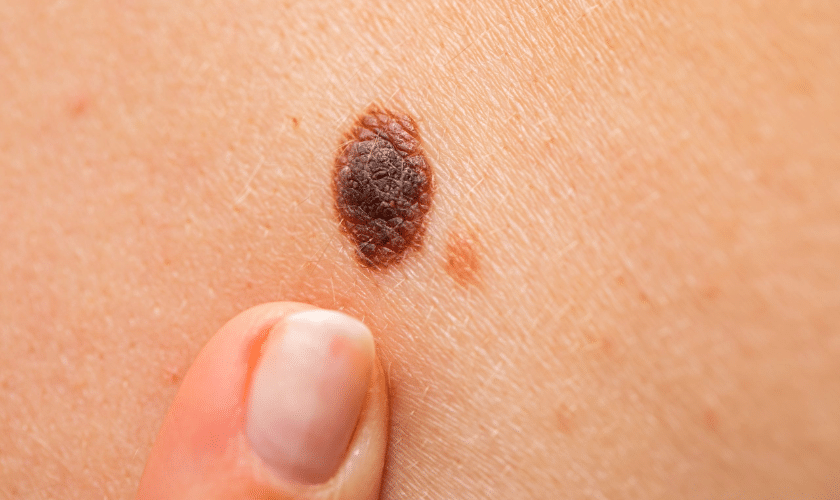
Melanoma begins in the melanocytes, the cells responsible for producing melanin, the pigment that gives skin its color. While it can develop anywhere on the body, it is most commonly found on areas that have had significant sun exposure, such as the back, legs, arms, and face. However, melanoma can also occur in places not typically exposed to sunlight, such as the soles of the feet, palms of the hands, and under the nails.
What makes melanoma particularly alarming is its ability to metastasize quickly, spreading to other organs, such as the lungs, liver, and brain. Early detection and treatment are crucial in improving survival rates, highlighting the importance of awareness and regular skin checks.
The Stages of Melanoma
Melanoma is categorized into five stages, from stage 0 (in situ) to stage IV (metastatic), based on the thickness of the tumor, ulceration, and the extent to which it has spread.
- Stage 0 (In Situ): The melanoma is confined to the outer layer of skin and has not invaded deeper tissues.
- Stage I: The melanoma is less than 2 mm thick and may or may not be ulcerated. It has not spread to lymph nodes or other organs.
- Stage II: The melanoma is 2 to 4 mm thick and may be ulcerated. There is still no evidence of spreading.
- Stage III: The melanoma has spread to nearby lymph nodes but not to distant organs.
- Stage IV: The melanoma has spread to distant lymph nodes, organs, or tissues.
As melanoma progresses, the prognosis worsens. The 5-year survival rate for stage I melanoma is approximately 98%, while for stage IV, it drops significantly to about 25%.
Causes and Risk Factors of Melanoma
Several factors contribute to the development of melanoma, with ultraviolet (UV) radiation from the sun or tanning beds being the most significant. However, not all melanomas are linked to UV exposure. Other risk factors include:
Fair Skin: Individuals with lighter skin, hair, and eye color are at higher risk due to less melanin, which provides some protection from UV radiation.
Moles: Having many moles, particularly atypical or dysplastic nevi, increases the risk of melanoma.
Family History: A family history of melanoma can elevate the risk, suggesting a genetic predisposition.
Weakened Immune System: Individuals with weakened immune systems, such as those who have undergone organ transplants, are at higher risk.
Age and Gender: While melanoma can affect anyone, it is more common in older individuals and is slightly more prevalent in men.
Signs and Symptoms of Melanoma
Early detection of melanoma often leads to successful treatment, which is why it is essential to be vigilant about changes in your skin. The ABCDE rule is a helpful guide for identifying potential melanomas:
A – Asymmetry: One half of the mole does not match the other.
B – Border: The edges are irregular, ragged, notched, or blurred.
C – Color: The color is not uniform and may include shades of brown, black, red, white, or blue.
D – Diameter: The spot is larger than 6mm across (about the size of a pencil eraser).
E – Evolving: The mole is changing in size, shape, or color.
If you notice any of these signs or other unusual changes in your skin, it is crucial to consult a dermatologist promptly.
Treatment Options for Melanoma
The treatment for melanoma depends on the stage at diagnosis. Early-stage melanomas may be treated successfully with surgery alone, while advanced melanomas require more aggressive treatment.
- Surgery: The primary treatment for early-stage melanoma involves surgical excision, where the tumor and some surrounding tissue are removed. In some cases, a sentinel lymph node biopsy may be performed to check if the cancer has spread.
- Immunotherapy: This treatment boosts the body’s immune system to fight the cancer cells. Drugs like checkpoint inhibitors (e.g., pembrolizumab, nivolumab) have shown promise in treating advanced melanoma.
- Targeted Therapy: Targeted drugs, such as BRAF and MEK inhibitors, are used for melanomas with specific genetic mutations. These treatments focus on blocking the pathways that allow cancer cells to grow.
- Radiation Therapy: Radiation may be used to treat melanoma that has spread to the brain, bones, or other areas, or to reduce the risk of recurrence after surgery.
- Chemotherapy: Although less common now with the advent of immunotherapy and targeted therapy, chemotherapy is sometimes used for advanced melanoma.
Prognosis and Prevention
The prognosis for melanoma largely depends on the stage at diagnosis. Early detection leads to higher survival rates, while advanced stages pose significant challenges. Despite its severity, melanoma is often preventable through proactive measures:
Avoid Tanning Beds: Artificial UV radiation from tanning beds significantly increases the risk of melanoma.
Use Sunscreen: Regularly applying broad-spectrum sunscreen with at least SPF 30 can protect against harmful UV rays.
Wear Protective Clothing: Hats, sunglasses, and long sleeves can shield your skin from the sun.
Regular Skin Checks: Perform self-examinations monthly and have annual skin checks with a dermatologist.
Melanoma is a serious, potentially deadly form of skin cancer, but it is also one of the most preventable. By understanding the risks, recognizing the signs, and taking proactive steps to protect your skin, you can significantly reduce your chances of developing melanoma. Early detection is critical, so don’t hesitate to seek medical advice if you notice any concerning changes in your skin. With the right knowledge and precautions, you can safeguard your health against this aggressive disease.
Trending FAQs About Melanoma
- What are the warning signs of melanoma?
Melanoma often appears as a new spot on the skin or a change in an existing mole. The ABCDE rule (Asymmetry, Border, Color, Diameter, Evolving) can help identify warning signs. - How quickly can melanoma spread?
Melanoma can spread quickly, sometimes within weeks. The speed at which it spreads depends on the type and stage of the melanoma. - Is melanoma always related to sun exposure?
While sun exposure is a major risk factor, not all melanomas are caused by UV radiation. Some melanomas can develop in areas not typically exposed to the sun. - Can melanoma be cured if caught early?
Yes, melanoma is highly treatable when detected early. The survival rate for early-stage melanoma is very high. - How is melanoma diagnosed?
Melanoma is diagnosed through a skin examination, followed by a biopsy of any suspicious lesions. Further tests may be done to determine if the melanoma has spread. - Can you get melanoma if you have dark skin?
Yes, melanoma can occur in people with all skin tones, though it is more common in individuals with fair skin. In darker-skinned individuals, melanoma often appears in less pigmented areas, like the palms or soles. - What are the chances of melanoma returning after treatment?
The risk of recurrence depends on the stage at diagnosis and the treatment received. Regular follow-up appointments with a dermatologist are essential for monitoring.