Aging is a natural process that everyone experiences, but the desire to maintain a youthful appearance is universal. As we age, our skin undergoes changes such as the loss of elasticity, the appearance of fine lines, wrinkles, and age spots. These changes often lead to the search for effective anti-aging treatments that can slow down or even reverse the signs of aging. With so many options available, it can be overwhelming to determine which treatment is best for you. This blog will explore various anti-aging treatments, from skincare routines to advanced medical procedures, helping you make an informed decision on the best approach to achieve and maintain a youthful glow.
Understanding the Aging Process
Before diving into treatments, it’s important to understand what causes our skin to age. Several factors contribute to the aging process:
- Intrinsic Aging: This is the natural aging process that occurs over time, influenced by genetics. As we age, collagen production slows, skin loses elasticity, and cellular turnover decreases, leading to wrinkles and sagging skin.
- Extrinsic Aging: External factors such as sun exposure, pollution, smoking, and diet can accelerate the aging process. These factors cause oxidative stress, leading to premature aging, hyperpigmentation, and other skin issues.
Top Anti-Aging Treatments
The best anti-aging treatment depends on individual skin concerns, age, lifestyle, and preferences. Below are some of the most effective anti-aging treatments, categorized by non-invasive and invasive options.
1. Topical Skincare Products
Topical treatments are often the first line of defense against aging. They include:
Retinoids: Derived from vitamin A, retinoids are one of the most effective anti-aging ingredients. They promote collagen production, speed up cell turnover, and reduce fine lines and wrinkles.
Antioxidants: Ingredients like Vitamin C, Vitamin E, and ferulic acid protect the skin from free radical damage and boost collagen production, helping to reduce signs of aging.
Peptides: Peptides are amino acids that build proteins in the skin, such as collagen and elastin. They help repair damaged skin, improve elasticity, and reduce fine lines.
Hyaluronic Acid: This powerful humectant attracts moisture to the skin, plumping up fine lines and giving the skin a hydrated, youthful appearance.
2. Chemical Peels
Chemical peels involve applying an acid solution to the skin, which exfoliates the outer layers, revealing fresher, smoother skin underneath. Peels can vary in strength:
Superficial Peels: Use mild acids like alpha-hydroxy acid (AHA) to gently exfoliate the skin. They are ideal for improving skin texture and tone.
Medium Peels: Use stronger acids, such as trichloroacetic acid (TCA), to penetrate deeper layers of the skin, reducing wrinkles, age spots, and moderate discoloration.
Deep Peels: Use phenol acid to deeply penetrate the skin, providing dramatic results for severe wrinkles, sun damage, and precancerous growths. These peels require longer recovery times but offer long-lasting results.
3. Microdermabrasion and Dermabrasion
Both treatments exfoliate the skin but differ in intensity:
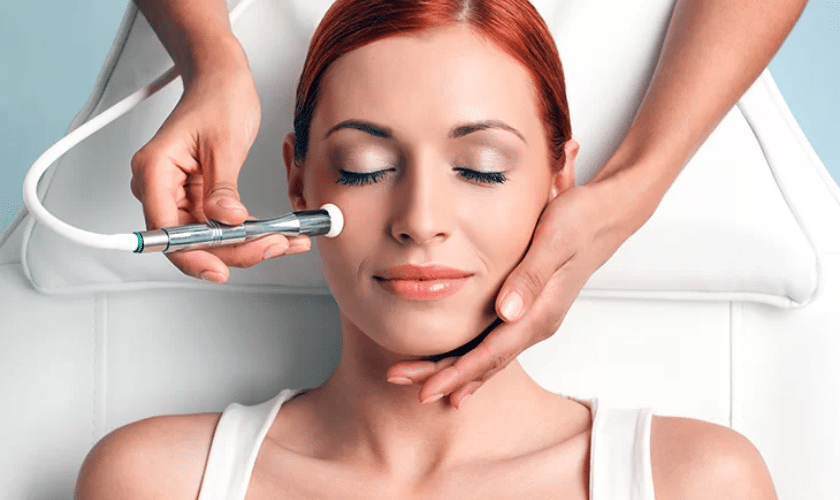
Microdermabrasion: A minimally invasive procedure that uses a special applicator with an abrasive surface to gently sand away the thick outer layer of the skin. It treats superficial wrinkles, light scarring, and uneven skin tone.
Dermabrasion: A more intense version that uses a rotating device to remove the outer layers of skin, helping to treat deeper scars, wrinkles, and sun damage.
4. Microneedling
Microneedling involves using fine needles to create micro-injuries in the skin, triggering the body’s natural healing process. This process stimulates collagen and elastin production, improving skin texture, firmness, and overall appearance. Microneedling can also enhance the absorption of topical anti-aging products, making them more effective.
5. Laser Treatments
Laser treatments are popular for their ability to address various skin concerns, including signs of aging. They work by using focused light to target and improve skin’s appearance.
Fractional Laser Resurfacing: This treatment creates microthermal zones in the skin, stimulating collagen production and promoting skin renewal. It’s effective for reducing fine lines, wrinkles, and age spots.
Non-Ablative Lasers: These lasers work beneath the skin’s surface to improve skin tone and texture without damaging the outer layer. They are ideal for those with mild to moderate signs of aging.
6. Injectables: Botox and Dermal Fillers
Injectables have become go-to treatments for quick and noticeable anti-aging results:
Botox: A neuromodulator that temporarily paralyzes the muscles responsible for dynamic wrinkles (like crow’s feet and frown lines), leading to smoother skin.
Dermal Fillers: Hyaluronic acid-based fillers add volume to areas like the cheeks, lips, and under the eyes, smoothing out wrinkles and restoring youthful contours.
7. Radiofrequency (RF) and Ultrasound Treatments
These non-invasive treatments use energy to heat the deeper layers of the skin, stimulating collagen production:
Radiofrequency (RF): RF treatments target the dermis to tighten skin and reduce wrinkles without damaging the surface. It’s effective for mild to moderate skin laxity.
Ultrasound Therapy: Uses focused ultrasound energy to lift and tighten skin, particularly around the jawline, neck, and brows. Ultherapy is a popular brand that offers noticeable results with minimal downtime.
8. Facial Rejuvenation Surgery
For those seeking more dramatic and long-lasting results, surgical options may be considered:
Facelift (Rhytidectomy): This surgery tightens loose skin, smooths deep wrinkles, and enhances facial contours by repositioning underlying tissues.
Eyelid Surgery (Blepharoplasty): Focuses on removing excess skin and fat from the eyelids, reducing sagging and puffiness for a more youthful appearance.
Neck Lift: Targets loose skin and fat in the neck area, creating a more defined and youthful neckline.
Choosing the Right Treatment
When selecting the best anti-aging treatment, consider factors like:
Skin Type: Not all treatments are suitable for every skin type. For instance, individuals with sensitive skin may need to avoid certain chemical peels or laser treatments.
Age: The effectiveness of certain treatments can vary depending on age. For example, younger individuals might benefit more from preventative measures, while older adults may seek more aggressive treatments.
Goals: Define your goals. Do you want to reduce fine lines, improve skin texture, or restore volume? Knowing what you want to achieve will help guide your choice.
Downtime: Consider your lifestyle and how much downtime you can afford. Some treatments, like facelifts, require significant recovery time, while others, like Botox, have minimal to no downtime.
Budget: Anti-aging treatments can vary greatly in cost. Topical products are more affordable, while surgical options are more expensive but offer longer-lasting results.
Aging is inevitable, but with the right anti-aging treatment, you can maintain a youthful, vibrant appearance for years to come. Whether you choose non-invasive treatments like topical skincare and injectables or more intensive options like laser treatments and surgery, the key is to find a solution that fits your skin type, goals, and lifestyle. Remember that consistency is crucial—regular maintenance and a healthy lifestyle can significantly enhance the longevity of your results. Ultimately, the best anti-aging treatment is one that helps you feel confident and comfortable in your own skin.
FAQs
- What is the most effective anti-aging treatment?
The most effective treatment depends on individual skin concerns and goals. For many, a combination of retinoids, antioxidants, and professional treatments like laser therapy works best. - How can I prevent aging naturally?
Maintaining a healthy lifestyle, using sunscreen daily, staying hydrated, eating a balanced diet, and avoiding smoking are key ways to naturally slow down the aging process. - At what age should I start anti-aging treatments?
Starting in your late 20s to early 30s with preventative skincare, such as using sunscreen and antioxidants, can be beneficial. More intensive treatments can be added as needed. - Is Botox safe for long-term use?
Yes, Botox is generally safe for long-term use when administered by a qualified professional. It has been used for decades with a well-documented safety profile. - Can I combine multiple anti-aging treatments?
Yes, combining treatments like Botox with fillers, or using retinoids alongside laser therapy, can provide enhanced results. Always consult with a dermatologist to create a tailored plan. - How often should I get anti-aging treatments?
The frequency depends on the treatment. For instance, Botox typically lasts 3-6 months, while chemical peels may be done every 4-6 weeks. - What are the side effects of anti-aging treatments?
Side effects vary by treatment but may include redness, swelling, bruising, or peeling. Most are temporary, but it’s important to follow post-treatment care instructions.