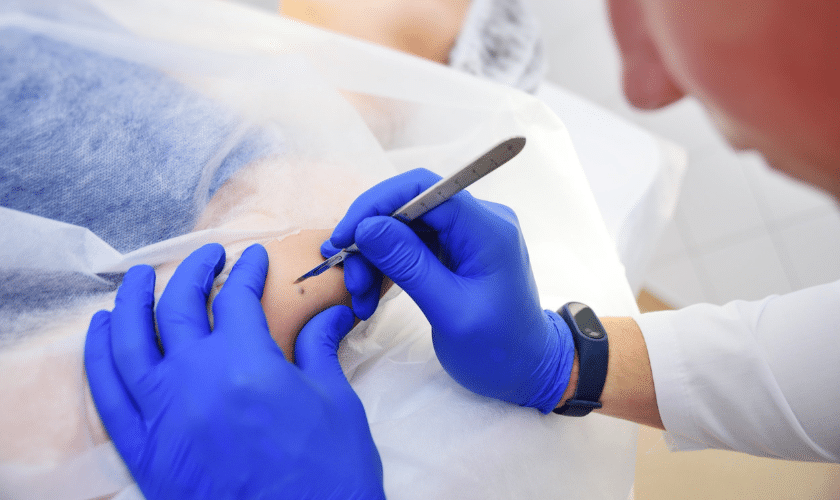
In recent years, the field of dermatology has witnessed significant advancements, largely driven by technological innovations. These advancements have not only improved the precision and effectiveness of treatments but also enhanced patient outcomes and experiences. Surgical dermatology, in particular, has benefited immensely from these technological strides. This blog will explore the various roles that technology plays in surgical dermatology, from diagnostic tools to treatment modalities, and how these innovations are shaping the future of skin health.
Advanced Diagnostic Tools
High-Resolution Imaging
High-resolution imaging techniques, such as dermoscopy and confocal microscopy, have revolutionized the diagnostic process in dermatology. Dermoscopy allows dermatologists to examine skin lesions with greater clarity and detail, helping in the early detection of skin cancers, such as melanoma. Confocal microscopy provides real-time, non-invasive imaging of the skin at a cellular level, offering a more accurate diagnosis without the need for a biopsy.
Artificial Intelligence (AI) and Machine Learning
Artificial Intelligence (AI) and machine learning algorithms are being increasingly integrated into dermatological diagnostics. AI-powered systems can analyze vast amounts of data from medical images to identify patterns and anomalies that might be missed by the human eye. These systems assist dermatologists in diagnosing skin conditions with higher accuracy and speed, leading to early intervention and better patient outcomes.
Innovative Treatment Modalities
Laser Technologies
Laser technology has become a cornerstone in surgical dermatology. Different types of lasers, such as CO2 lasers, Ndlasers, and pulsed dye lasers, are used to treat a variety of skin conditions. Lasers are highly effective in procedures like scar revision, removal of benign skin growths, and treatment of vascular lesions. They offer precise control, minimizing damage to surrounding tissues and reducing recovery times.
Photodynamic Therapy (PDT)
Photodynamic therapy (PDT) is another cutting-edge treatment that combines light energy with photosensitizing agents to selectively target and destroy abnormal skin cells. PDT is commonly used for treating actinic keratosis, superficial basal cell carcinoma, and certain types of acne. This non-invasive procedure offers an excellent cosmetic outcome and is particularly beneficial for patients with extensive skin lesions.
Minimally Invasive Procedures
Mohs Micrographic Surgery
Mohs micrographic surgery is a precise surgical technique used to treat skin cancer. This procedure involves the step-by-step removal and examination of cancerous tissue until only healthy tissue remains. Technological advancements, such as digital imaging and mapping systems, have enhanced the accuracy and efficiency of Mohs surgery, leading to higher cure rates and better cosmetic results.
Radiofrequency (RF) Devices
Radiofrequency (RF) devices are used in various minimally invasive dermatological procedures. RF energy is utilized to tighten skin, reduce wrinkles, and improve the appearance of scars and stretch marks. These devices stimulate collagen production, leading to natural-looking results with minimal downtime.
Enhancing Patient Experience
Teledermatology
Teledermatology has gained prominence, especially in the wake of the COVID-19 pandemic. This technology allows dermatologists to remotely evaluate and diagnose skin conditions using digital platforms. Teledermatology offers convenience for patients, reduces the need for in-person visits, and ensures timely access to dermatological care.
Patient Education and Engagement
Technological tools like mobile apps and interactive websites are being used to educate patients about their skin conditions and treatment options. These platforms provide valuable information, track treatment progress, and remind patients about follow-up appointments, enhancing patient engagement and adherence to treatment plans.
Future Directions
The future of surgical dermatology looks promising, with ongoing research and development in technology. Innovations such as 3D printing, robotic-assisted surgeries, and personalized medicine are on the horizon, promising to further revolutionize the field. These advancements will likely lead to even more precise, effective, and patient-centered dermatological care.
The integration of technology in surgical dermatology has significantly transformed the field, offering advanced diagnostic tools, innovative treatment modalities, and enhanced patient experiences. As technology continues to evolve, the future of dermatological surgery holds even greater promise, ensuring better outcomes and improved quality of life for patients. Staying abreast of these technological advancements is crucial for dermatologists to provide the highest standard of care and to continue pushing the boundaries of what is possible in skin health.
FAQs
What are the benefits of using AI in dermatological diagnostics?
AI can analyze medical images with high accuracy, helping in early detection and diagnosis of skin conditions, leading to timely and effective treatments.
How does laser technology improve surgical dermatology procedures?
Laser technology offers precise control, minimizes damage to surrounding tissues, and reduces recovery times, making treatments more effective and less invasive.
What conditions can be treated with photodynamic therapy (PDT)?
PDT is commonly used to treat actinic keratosis, superficial basal cell carcinoma, and certain types of acne, offering excellent cosmetic outcomes.
How does Mohs micrographic surgery work?
Mohs surgery involves the step-by-step removal and examination of cancerous tissue until only healthy tissue remains, ensuring high cure rates and minimal tissue loss.
What are the advantages of teledermatology?
Teledermatology offers convenience, reduces the need for in-person visits, and ensures timely access to dermatological care, especially for patients in remote areas.
How do radiofrequency (RF) devices enhance skin treatments?
RF devices tighten skin, reduce wrinkles, and improve the appearance of scars and stretch marks by stimulating collagen production, offering natural-looking results with minimal downtime.
What technological advancements are expected in the future of surgical dermatology?
Future advancements may include 3D printing, robotic-assisted surgeries, and personalized medicine, further enhancing the precision and effectiveness of dermatological care.