Melanoma, a potentially deadly form of skin cancer, has been a growing concern worldwide. Its ability to spread rapidly to other parts of the body makes early detection and effective treatment crucial. In recent years, surgical dermatology has emerged as a pivotal approach in managing melanoma, offering patients innovative and effective treatments. This blog delves into the role of surgical dermatology in melanoma management, exploring the latest advancements, techniques, and benefits for patients facing this daunting diagnosis.
Understanding Melanoma
Melanoma originates in the melanocytes, the cells responsible for producing melanin, which gives our skin its color. Unlike other types of skin cancer, melanoma is particularly aggressive and can metastasize quickly, affecting the lymph nodes and other organs. Risk factors include excessive sun exposure, tanning beds, genetic predisposition, and having a large number of moles.
Early detection is key to improving survival rates. Regular skin examinations and awareness of changes in moles or skin lesions are essential for catching melanoma in its initial stages. When detected early, surgical dermatology offers highly effective solutions to remove the cancerous tissues and prevent further spread.
Surgical Dermatology: A Closer Look
Surgical dermatology encompasses a range of procedures aimed at diagnosing, removing, and treating skin cancer. For melanoma, surgical intervention is often the primary treatment, and various techniques are utilized depending on the stage and location of the cancer.
1. Excisional Surgery
Excisional surgery is the most common procedure for removing melanoma. The surgeon excises the melanoma along with a margin of healthy skin to ensure complete removal of cancerous cells. This technique is highly effective for early-stage melanomas and aims to minimize the risk of recurrence.
2. Mohs Micrographic Surgery
Mohs surgery is a precise technique where layers of cancer-containing skin are progressively removed and examined until only cancer-free tissue remains. This method is particularly beneficial for melanomas on sensitive areas like the face, as it spares as much healthy tissue as possible while ensuring complete cancer removal. Mohs surgery boasts high cure rates and is ideal for melanomas with unclear borders or those that have recurred after previous treatment.
3. Sentinel Lymph Node Biopsy
Melanoma can spread to the lymphatic system, making lymph node evaluation crucial. Sentinel lymph node biopsy is performed to determine whether the melanoma has metastasized. During this procedure, the sentinel lymph node—the first node to which cancer cells are likely to spread—is identified and removed for examination. If cancer cells are found, additional lymph nodes may be removed in a subsequent surgery.
4. Reconstructive Surgery
In cases where large areas of skin are removed, reconstructive surgery may be necessary to restore the appearance and function of the affected area. This can involve skin grafts, flaps, or other reconstructive techniques to promote healing and improve cosmetic outcomes.
Advancements in Surgical Dermatology
The field of surgical dermatology is continually evolving, with new technologies and techniques enhancing the effectiveness and safety of melanoma treatment.
1. Dermatoscopy and Confocal Microscopy
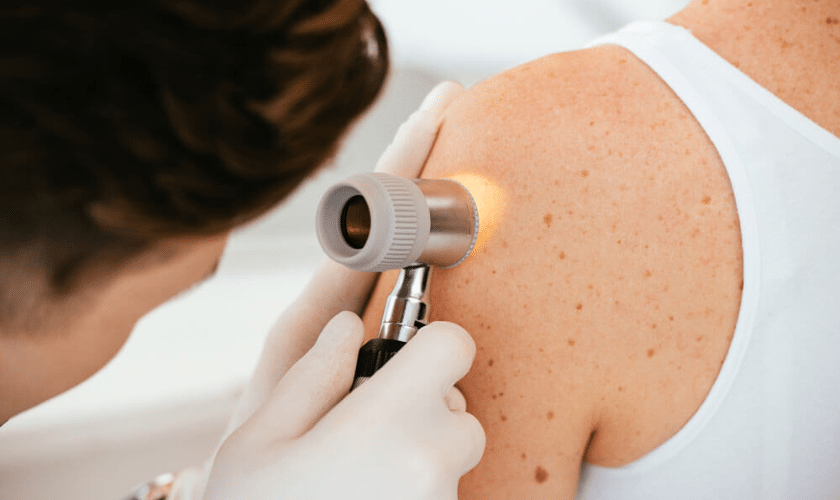
Advanced imaging techniques like dermatoscopy and confocal microscopy allow for better visualization of skin lesions, aiding in early detection and accurate diagnosis of melanoma. These non-invasive tools provide detailed images of the skin, helping dermatologists distinguish between benign and malignant lesions.
2. Robotic Surgery
Robotic-assisted surgery is making its way into dermatology, offering greater precision and control during complex procedures. Robotic systems can perform intricate movements, reducing the risk of human error and improving surgical outcomes, especially in challenging cases.
3. Immunotherapy Integration
Immunotherapy, which harnesses the body’s immune system to fight cancer, is increasingly being combined with surgical treatments for melanoma. Post-surgical immunotherapy can help eliminate residual cancer cells and reduce the risk of recurrence, offering a comprehensive approach to melanoma management.
Benefits of Surgical Dermatology in Melanoma Management
1. High Cure Rates
Surgical removal of melanoma offers high cure rates, particularly when the cancer is detected early. Procedures like Mohs surgery and excisional surgery are highly effective in eliminating cancerous tissues and reducing the likelihood of recurrence.
2. Precision and Safety
Advanced surgical techniques ensure that melanoma is removed with precision, minimizing damage to surrounding healthy tissue. This is especially important for melanomas located in cosmetically sensitive areas.
3. Comprehensive Care
Surgical dermatology provides comprehensive care by combining diagnosis, treatment, and reconstructive procedures. This holistic approach ensures that patients receive the best possible care throughout their treatment journey.
4. Reduced Recurrence
By employing meticulous techniques and advanced technologies, surgical dermatology significantly reduces the risk of melanoma recurrence. This is crucial for improving long-term survival rates and quality of life for patients.
The role of surgical dermatology in melanoma management cannot be overstated. From early detection to advanced surgical techniques, this field offers hope and healing for those diagnosed with melanoma. As technology and medical knowledge continue to advance, the future of melanoma treatment looks promising, with even higher cure rates and better outcomes on the horizon. For anyone facing a melanoma diagnosis, understanding the options available through surgical dermatology is an empowering first step toward effective treatment and recovery.
FAQs
- What is the success rate of surgical treatment for melanoma?
The success rate is high, especially for early-stage melanomas. Techniques like Mohs surgery have cure rates exceeding 95%. - How does Mohs surgery differ from traditional excisional surgery?
Mohs surgery removes cancer layer by layer, examining each layer under a microscope until no cancer cells remain, preserving more healthy tissue compared to traditional excision. - Is reconstructive surgery always necessary after melanoma removal?
Not always. It depends on the size and location of the melanoma. Reconstructive surgery is more common for larger removals or sensitive areas. - What are the signs that melanoma has spread to the lymph nodes?
Swelling or lumps in the lymph nodes, especially in areas like the neck, armpit, or groin, can indicate that melanoma has spread. - Can melanoma be treated without surgery?
While surgery is the primary treatment, other methods like radiation, chemotherapy, and immunotherapy can be used, especially for advanced stages. - How can I reduce my risk of melanoma recurrence after surgery?
Regular follow-ups, skin checks, avoiding excessive sun exposure, and using sunscreen can help reduce the risk of recurrence. - Are there any new advancements in melanoma treatment?
Yes, advancements include robotic-assisted surgery, improved imaging techniques, and the integration of immunotherapy to enhance treatment outcomes.