Summer is a time of sunshine, beach days, and outdoor adventures. However, with all the fun under the sun comes an increased risk of skin cancer, a serious and often preventable condition. As you enjoy your summer activities, it’s crucial to be proactive about skin health. This guide will walk you through the essentials of skin cancer prevention, recognizing symptoms, and exploring treatment options to ensure you can safely soak up the sun’s rays.
Understanding Skin Cancer
Skin cancer is the most common type of cancer in the United States, affecting millions each year. It occurs when skin cells grow uncontrollably due to DNA damage, often caused by ultraviolet (UV) radiation from the sun or tanning beds. There are three main types of skin cancer:
- Basal Cell Carcinoma (BCC): The most common form, originating in the basal cells.
- Squamous Cell Carcinoma (SCC): Arises from squamous cells and can spread to other parts of the body.
- Melanoma: The most dangerous form, developing from melanocytes, the cells that give skin its color.
Prevention: Your Best Defense
Preventing skin cancer starts with protecting your skin from harmful UV radiation. Here are key strategies to reduce your risk:
1. Wear Sunscreen Daily
Using a broad-spectrum sunscreen with an SPF of at least 30 can significantly reduce your risk of skin cancer. Apply it generously to all exposed skin, even on cloudy days, and reapply every two hours or after swimming or sweating.
2. Seek Shade
Whenever possible, stay in the shade, especially between 10 a.m. and 4 p.m. when the sun’s rays are strongest. This simple step can greatly minimize your UV exposure.
3. Wear Protective Clothing
Clothing can provide a physical barrier against UV rays. Opt for long-sleeved shirts, wide-brimmed hats, and sunglasses with UV protection. Look for clothing with an Ultraviolet Protection Factor (UPF) label for added assurance.
4. Avoid Tanning Beds
Tanning beds emit UV radiation that can cause skin damage and significantly increase your risk of skin cancer. Embrace your natural skin tone and avoid artificial tanning methods.
5. Perform Regular Skin Checks
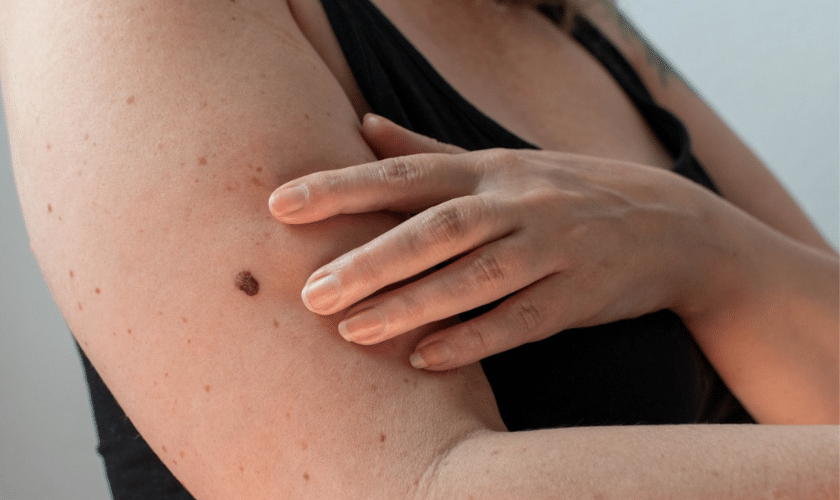
Conduct monthly self-examinations of your skin to detect any changes early. Look for new growths, moles that change in size, shape, or color, and any unusual skin changes. Early detection is crucial for successful treatment.
Recognizing the Symptoms
Early detection of skin cancer can save lives. Be aware of the following signs and symptoms:
Basal Cell Carcinoma
Pearly or waxy bumps
Flat, flesh-colored or brown scar-like lesions
Bleeding or scabbing sores that don’t heal
Squamous Cell Carcinoma
Firm, red nodules
Flat lesions with a scaly, crusted surface
Sores that bleed or develop a crust
Melanoma
Large brownish spots with darker speckles
Moles that change in color, size, or feel
Lesions with irregular borders and multiple colors
Itching, pain, or tenderness in a mole
The ABCDE rule can help you remember the warning signs of melanoma:
Asymmetry: One half is unlike the other half.
Border: Irregular, scalloped, or poorly defined border.
Color: Varied from one area to another; shades of tan, brown, black, white, red, or blue.
Diameter: Melanomas are usually greater than 6mm (the size of a pencil eraser) but can be smaller.
Evolving: A mole or skin lesion that looks different from the rest or is changing in size, shape, or color.
Treatment Options
If you notice any suspicious skin changes, consult a dermatologist promptly. The treatment for skin cancer depends on the type, size, and location of the cancer, as well as the patient’s overall health.
1. Surgical Procedures
Excisional Surgery
The cancerous tissue, along with some surrounding healthy skin, is removed. This is the most common treatment for melanoma and non-melanoma skin cancers.
Mohs Surgery
Layer by layer, the skin is removed and examined under a microscope until no abnormal cells remain. This precise method is often used for larger, recurrent, or difficult-to-treat skin cancers.
2. Radiation Therapy
High-energy rays are used to target and kill cancer cells. This option is often used for patients who cannot undergo surgery or for cancers in areas that are difficult to treat surgically.
3. Cryotherapy
Liquid nitrogen is used to freeze and destroy abnormal tissue. This method is typically used for small, early-stage skin cancers and precancerous growths.
4. Topical Treatments
Medicines in the form of creams or ointments are applied directly to the skin. These treatments are usually for superficial skin cancers and precancerous conditions like actinic keratosis.
5. Targeted Therapy
For advanced melanoma, targeted therapy drugs attack specific genes or proteins that are involved in cancer growth. These therapies can shrink tumors and slow their growth.
6. Immunotherapy
This treatment boosts the body’s immune system to fight cancer. It is often used for advanced melanoma and can help the body recognize and attack cancer cells more effectively.
Enjoying the summer sun doesn’t have to come at the cost of your health. By taking proactive measures to protect your skin, staying vigilant about changes, and seeking prompt medical attention when needed, you can significantly reduce your risk of skin cancer. Remember, prevention and early detection are your best defenses. Regularly use sunscreen, wear protective clothing, avoid tanning beds, and perform skin self-checks.
If you notice any suspicious changes in your skin, don’t hesitate to consult a dermatologist. Early diagnosis and treatment are crucial for the best outcomes. Stay informed, stay protected, and make the most of your sunny days with peace of mind.
For those seeking specialized care, medical dermatology offers advanced treatment options tailored to individual needs. Whether for prevention, early detection, or advanced treatment, medical dermatology plays a pivotal role in maintaining skin health and combating skin cancer effectively.