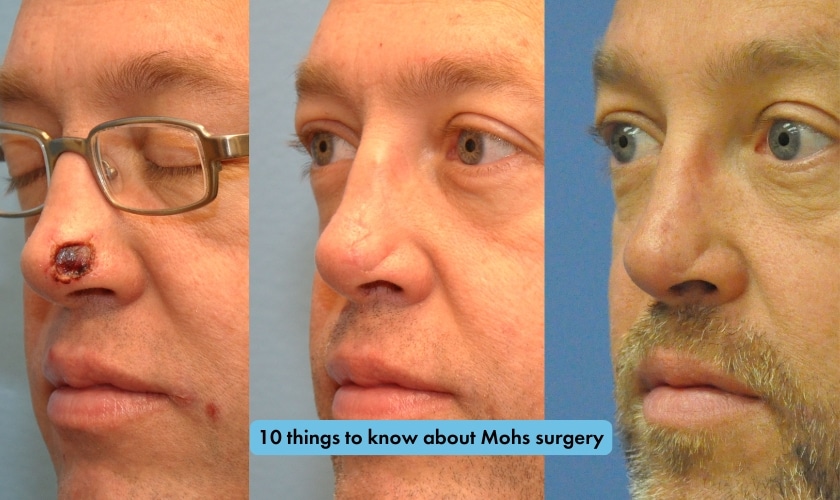
Mohs surgery is a specialized procedure used to treat skin cancer. It aims to remove cancerous tissue while preserving as much healthy skin as possible. This method is particularly effective for skin, ears, and other sensitive skin cancers. Mohs surgery plays a vital role in skin cancer treatment due to its high cure rate and minimal impact on surrounding tissue.
This blog aims to educate you about essential aspects of Mohs surgery, including its benefits, procedure, and post-operative care. Understanding these key facts will help you make informed decisions about your skin health.
What is Mohs Surgery?
Mohs surgery is a precise surgical technique developed by Dr. Frederic Mohs in the 1930s. It targets skin cancer by removing cancerous cells layer by layer.
During the procedure, a surgeon excises the tumor along with a thin margin of surrounding healthy skin. After each layer is removed, it gets examined under a microscope. This process continues until the surgeon no longer detects cancerous cells.
Mohs surgery differs from other treatments, like cryotherapy or topical chemotherapy. Those methods may not provide the same level of accuracy in removing cancerous tissue.
This surgery offers a higher cure rate for basal cell carcinoma and squamous cell carcinoma, which are the most common skin cancers. Its unique approach allows for the immediate examination of the removed tissue, ensuring complete cancer removal in one session.
The procedure is particularly valuable for cancers located on the face, neck, and hands. These areas require careful consideration to maintain appearance and functionality. Because Mohs surgery minimizes the amount of healthy tissue removed, it helps preserve both the cosmetic and functional integrity of these areas.
Overall, Mohs surgery is a reliable and effective treatment option. Its precision and real-time assessment of tumor margins set it apart from other methods. By focusing on removing only cancerous cells, it ensures a higher chance of cure while maintaining healthy skin.
Major 10 Things You Must Know About Mohs Surgery
Understanding Mohs surgery key facts can empower patients to make informed decisions about their skin health.
- Why is Mohs Surgery Used?
Mohs surgery is especially effective for specific types of skin cancers, particularly basal cell carcinoma and squamous cell carcinoma. These cancers often recur in sensitive areas where cosmetic results matter. Mohs surgery achieves a cure rate of up to 99% for these cancers, making it a preferred treatment choice. - Who Performs Mohs Surgery?
This surgery is performed by specially trained dermatologists known as Mohs surgeons. They undergo extensive training, including a dermatology residency and additional fellowship training in Mohs surgery. This specialized education equips them with the skills necessary to perform the procedure and manage potential complications. - How is Mohs Surgery Performed?
The surgery begins with the surgeon removing a thin layer of skin containing the tumor. The excised tissue is then processed and examined for cancer cells. If cancer remains, the surgeon removes another layer. This process repeats until the margins are clear. The entire procedure typically occurs in one day. - What to Expect During the Surgery?
Patients usually receive local anesthesia to numb the surgical area. They may feel pressure but no pain during the procedure. After each layer is removed, patients wait for results, which can take about 30 minutes. The entire process can take several hours, depending on the complexity of the case. - Preparing for Mohs Surgery
To prepare for Mohs surgery, patients should avoid blood thinners, such as aspirin and certain supplements, for at least a week before the procedure. It’s essential to wear comfortable clothing and arrange for transportation home, as local anesthesia may affect mobility. - Duration of the Procedure
The duration of Mohs surgery varies based on the size and location of the tumor. On average, the entire process can take between two to four hours. However, larger or more complicated cases may require additional time. - Benefits of Mohs Surgery
Mohs surgery offers several benefits, including high cure rates and minimal impact on surrounding tissue. The procedure allows for complete cancer removal while preserving healthy skin. This preservation is especially important for tumors on the face, neck, and hands, where cosmetic outcomes are a priority. - Post-Surgery Care
After Mohs surgery, patients should follow specific wound care instructions provided by their surgeon. This may include keeping the area clean and dry, changing bandages, and applying prescribed ointments. Follow-up appointments are essential to monitor healing and assess the surgical site. - Recovery Timeline
Recovery from Mohs surgery varies among patients. Most can return to regular activities within a few days. However, it is essential to avoid strenuous exercise and sun exposure during the healing process. Full healing may take several weeks, depending on the surgical site. - Cost of Mohs Surgery
The cost of Mohs surgery can vary widely based on several factors, including the complexity of the case and geographical location. Patients should check with their insurance provider to understand coverage options and potential out-of-pocket expenses.
Common Misconceptions About Mohs Surgery
Many misconceptions surround Mohs surgery. One common myth is that it is an overly complicated procedure. In reality, Mohs surgery is a straightforward and efficient technique. Patients often worry about significant pain during the surgery. However, local anesthesia effectively manages discomfort, and most patients report only mild pressure.
Another misconception is that Mohs surgery only applies to skin cancer. While it primarily treats skin cancers, it can also remove certain precancerous lesions. Some believe that all skin cancers can be treated with Mohs surgery. This is not accurate; Mohs is most effective for specific types of skin cancer, particularly in high-risk areas.
People also think that Mohs surgery will leave large scars. However, the technique aims to minimize tissue removal, leading to smaller scars and better cosmetic results. Lastly, many assume they cannot participate in activities after surgery. Most patients can resume normal activities within a few days, as long as they follow their surgeon’s advice.
In summary, Mohs surgery is a highly effective method for treating skin cancer, particularly for certain types. Its precision in removing cancerous cells while preserving healthy skin sets it apart from other treatments. If you have concerns about skin cancer or the procedure, consult with your healthcare provider. They can guide you through the process and answer any questions you may have.
FAQs about Mohs Surgery
- Is Mohs surgery painful?
Patients typically experience minimal pain during the procedure due to local anesthesia. After surgery, some discomfort may occur, but it is usually manageable with over-the-counter pain relievers.
- Can I eat or drink before Mohs surgery?
You can generally eat and drink before the procedure, but follow your surgeon’s instructions regarding food and medication restrictions.
- What happens if cancer cells are found after the first layer?
If cancer cells are detected after the first layer is removed, the surgeon will remove another layer of skin for further examination until all cancerous cells are gone.
- Can I take medications on the day of Mohs surgery?
Most patients can take their regular medications, but you should consult your surgeon about any specific medications to avoid especially blood thinners.
- What lifestyle changes should I consider after Mohs surgery?
After Mohs surgery, protect your skin from sun exposure, maintain a healthy diet, and consider regular skin checks to monitor for new or recurring skin cancers.